




Discounts are the easiest way to hold onto subscribers — and the most expensive. ISPs that build revenue growth around behavior-based retention protect margins while increasing what each subscriber is worth over time. The telecom operators with the strongest ARPU growth are not the ones offering the lowest prices — they are the ones building loyalty into the subscriber journey from day one.
The ARPU Problem Most ISPs Face
Why Acquisition Cannot Solve a Retention Problem
Growing revenue per subscriber used to mean upselling to bigger plans or bundling more services. That approach is losing steam. Subscribers are more price-sensitive than ever, and most ISPs in a given market offer similar packages at similar price points. Competing on price is a race with no clear winner.
The deeper problem: most ISPs chase ARPU growth through acquisition. When churn stays high, every new subscriber gained simply replaces one who left — and acquisition costs keep rising without any real gain in recurring revenue.
The smarter path is growing revenue within your existing base. Your highest-value subscribers are already on your network. The goal is to give them concrete reasons to stay, spend more, and move up the plan ladder — without dropping prices.
Reward Behaviors, Not Just Billing Cycles
Map Incentives to Moments That Matter
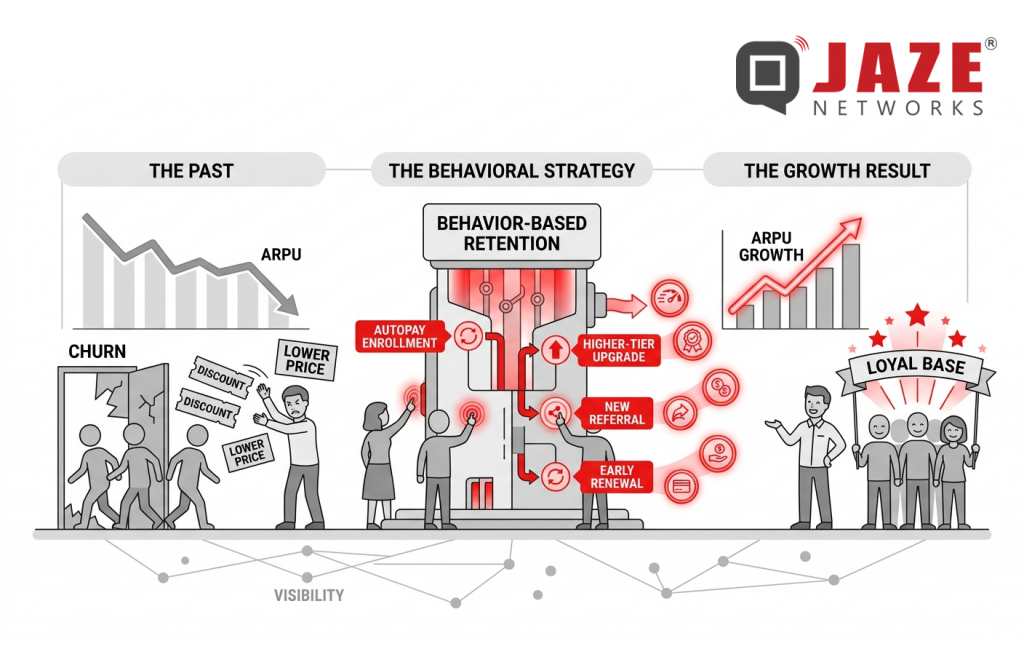
A behavior-based retention model shifts focus from reactive discounts to proactive engagement. Instead of offering a price cut when a subscriber threatens to leave, you reward actions that reinforce long-term commitment before that moment ever arrives.
These are not random perks — they map to specific moments in the subscriber journey where loyalty is built or lost.
Here are the behaviors worth incentivizing:
- Enrolling in autopay — priority support access or a temporary speed boost
- Upgrading to a higher-tier plan — extended data allowance or faster provisioning
- Referring a new subscriber — service credit applied to the next billing cycle
- Renewing before expiry — a one-month add-on at no additional cost
Why Perceived Value Beats Discounts
Each of these moments builds subscriber stickiness. Users who feel recognized for loyalty are more likely to stay, explore additional services, and refer new subscribers to your network. ARPU increases because subscribers voluntarily move up — not because they were pressured into it by a renewal call.
This approach does not require ongoing discounts. Perceived value — priority access, recognition, and perks tied to specific actions — drives the same behavior without eroding your margins.
Why Lifecycle Visibility Makes This Work
The Data Your Team Actually Needs
Executing a retention-first ARPU strategy depends on having the right data at the right time. ISP operators need real-time visibility into:
- Which subscribers are on plans they have already outgrown
- Which accounts are showing early churn signals — declining usage or rising support ticket volume
- When renewals are approaching and which offers are most relevant
- Which subscribers are actively using self-service tools versus repeatedly calling support
An offer sent too late — or to the wrong subscriber — has no impact. Without lifecycle visibility, that is exactly what happens.
When Systems Are Disconnected, Subscribers Fall Through
Without this wider view, retention stays reactive. You find out a subscriber is leaving when the cancellation request arrives — not three weeks earlier when there was still time to act.
Manual processes cannot keep pace. When your billing system does not connect to your support data, and your support data does not connect to provisioning records, the gaps between those systems are where subscribers fall through. The ISPs growing ARPU year over year run their entire operation from a single connected platform — not a collection of disconnected tools patched together with spreadsheets.
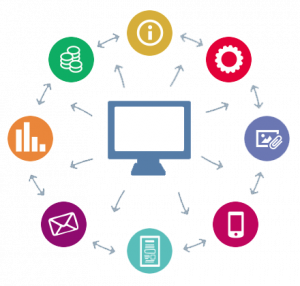
Jaze ISP Manager gives ISP operators a complete view of the subscriber lifecycle — from onboarding to renewal — in a single dashboard. Built-in billing automation tracks plan status and renewal dates, while the subscriber self-service portal and mobile app create ongoing engagement touchpoints between billing cycles. Operators can identify upgrade candidates, flag at-risk accounts, and act on retention signals before subscribers start looking elsewhere.
Click here to know more.